The Grand Plan: A Phased Vision for Highland Resilience
Our mission is simple: to build a completely self‑sustaining, community‑owned digital safety and land‑care network across rural Scotland. Sentinel protects human life, strengthens crofting, and monitors environmental hazards — all without mobile signal, satellites, or corporate control.
Phase 1: Zero footprint testing.
The Oban Prototype and Agile Testing
Before expanding across the Highlands, we begin with a lightweight, low‑impact pilot network around Oban. This phase proves the technology under real Highland conditions.
01
Rapid Agile Deployment.
We install five ultra‑low‑impact, solar‑powered mesh gateways. Each unit clamps onto an existing fence post or ridge, leaving zero permanent footprint on the landscape.
02
Grssroots Crofting Trial.
Ten local crofters receive free, non‑invasive soil probes and livestock tags. This trial shows how crofts can monitor grazing boundaries and soil health without expensive cellular data.
03
The Safety Test
Forty prototype Sentinel Safety Fobs are deployed to hikers and volunteers. These pocket‑sized devices test real‑time location pinging and automated off‑grid SOS alerts.
04
Legal Foundation
We complete formal SCIO registration with OSCR, legally locking all project assets to the crofting community.
Phase 2:
The Physical Footprint: Eco‑Hub & Seed Exchange Cabin
This phase establishes our temporary, physical roots on the land. We will apply for community land buyouts grants (Scottish Land Fund), to secure a small plot of community acreage.
1. Community Land Acquisition
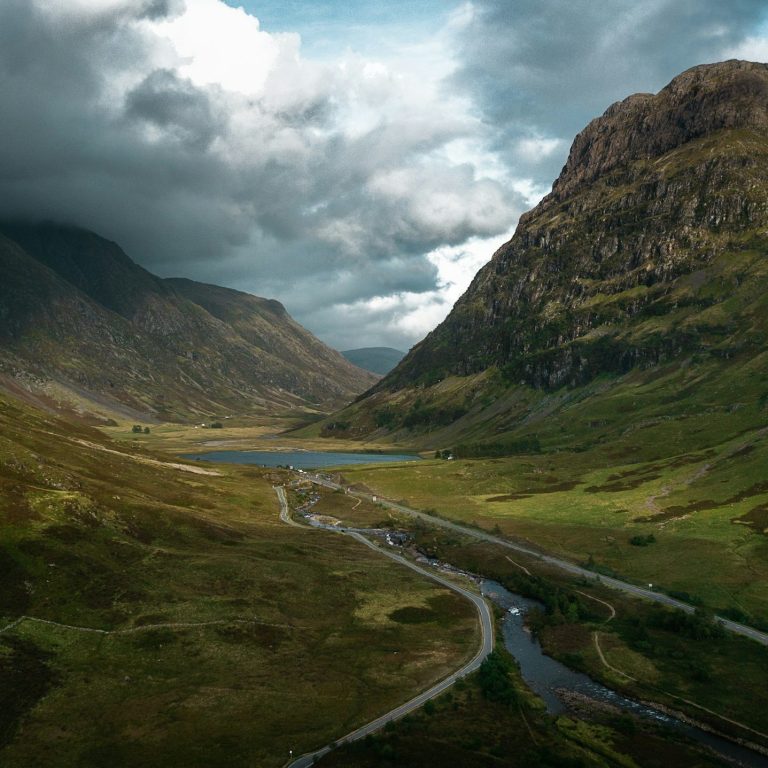
We apply to the Scottish Land Fund to secure a small plot of rural acreage for the project’s home.
2. Off‑Grid AI Management Cabin
A compact timber or earthenwork cabin is built using low‑impact materials. It houses the local AI node, the workshop, and the physical command centre for the mesh network.
3. Community Seed & Asset Exchange
A dedicated public space inside the cabin supports a heritage seed exchange, biodiversity protection, and crofter‑to‑crofter resource sharing — all monitored by the AI.
4. Network Expansion
With a permanent base established, the mesh network scales into the Sutherlands and Northwest Highlands, covering high‑risk terrain.
Phase 3
The Data Frontier & Commercial Sustainability
Sentinel transitions from a pilot into a permanent, self‑funding rural institution.
1. Advanced Geohazard Telemetry
We deploy deep‑ground moisture probes, seismic sensors, and arboreal tilt monitors across landslide corridors and peat‑sensitive slopes.

2. Sentinel App Launch
A local digital portal allows crofters and hikers to log hazards — landslides, floods, tree tipping, extreme weather — creating a live community safety map.

3. National Data Licensing and Revenue Stability
We establish Service Level Agreements with BGS, SEPA, and NatureScot, licensing anonymized telemetry to fund ongoing operations. Two stable income streams — Sentinel Fob sales and data licensing — cover all operational costs.
Phase 4
Full Sovereign Handover (100% Community Ownership)
The final destination of the Grand Plan is complete decentralisation.
1. Financial Independence
All costs are fully covered by commercial safety fob sales and national data licensing contracts.
2. Governance Transfer
In accordance with our SCIO constitution, the founding team steps back. All physical assets — the Eco‑Hub cabin, seed exchange, mesh network, and AI infrastructure — transfer to a board elected by local Scottish Crofting Trusts and community members.
3. A Permanent Highland Institution
Surplus revenue is locked into the SCIO Communal Wealth Fund, reinvesting directly into crofting communities for generations.